Trusted Hygiene Cleaning Services
Your operation requires consistent cleaning schedules customized for unique hazards, processing volumes, food allergens, and regulatory visits, including verifiable documentation validating HACCP requirements, inspection compliance, and public health regulations. The details below give guidance on sanitation program requirements.
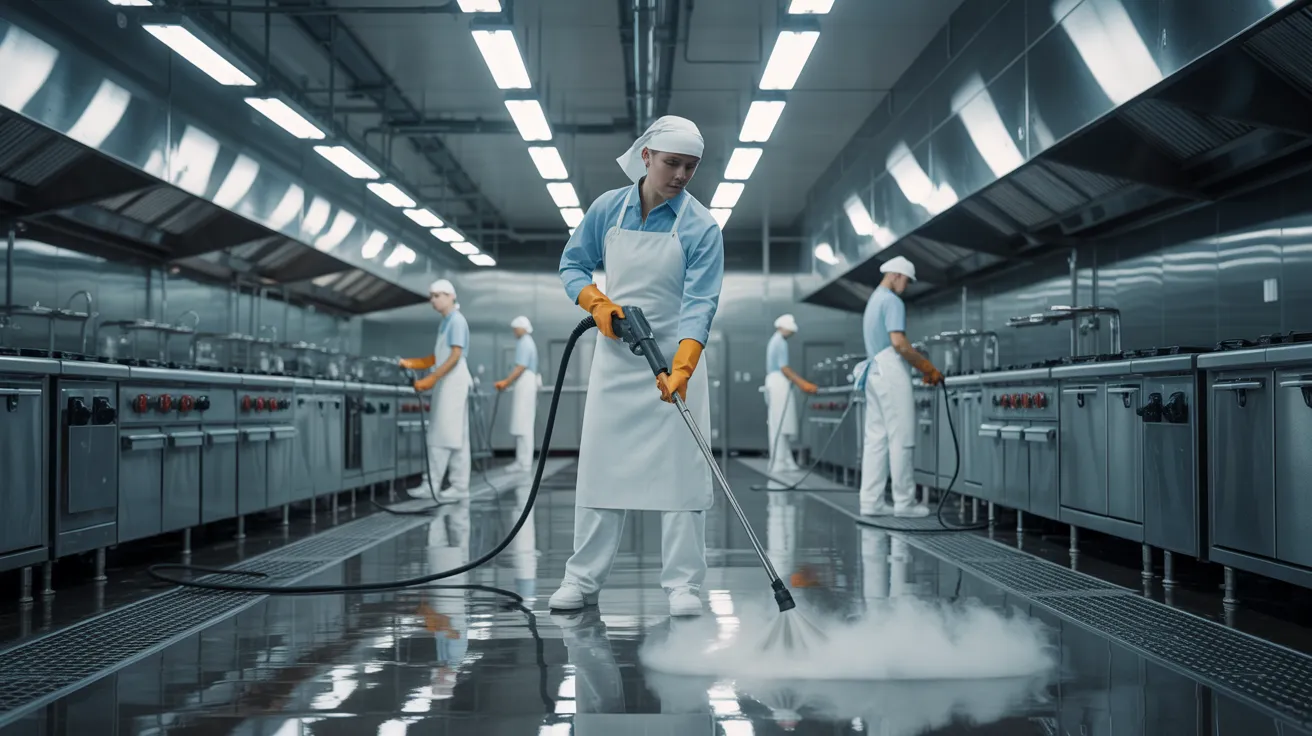
Key Takeaways
- Sanitation professionals in Brampton cater to restaurants, grocery departments, commissaries, warehouses, bakeries, schools, mobile vendors, and allergen-sensitive operations.
- High-touch surfaces, food-contact equipment, kitchens, floors, drains, restrooms, and storage areas are treated using sectional methods to avoid cross-contamination.
- Approved specialists validate proper chemical concentration, appropriateness, and contact time, then log completion with checks, reviews, and corrective-action records.
- Everyday, recurring, and seasonal duties assigned by section constitute hygiene schedules founded on threat, throughput, format changes, incidents, and regulations.
- Prioritize providers displaying hazard analysis knowledge, health regulatory competency, WHMIS instruction, liability, credentials, colour-coded instruments, and compliance-ready sanitation paperwork.
Food Safety Cleaning Requirements for Brampton Operations
Food safety cleaning is mandatory for any Brampton facility that handles, maintains, prepares, packages, or offers food. Apply it to your establishment if it comes under health inspections, food codes, or HACCP requirements. This includes eateries, cafes, warehouses, supermarket areas, meat markets, fish stands, convenience outlets, and institutional food areas.
You also need documented food sanitation in supply warehouses, manufacturing facilities, refrigerated storage, bakeries, school feeding programs, reception facilities, and delivery centers. Mobile and seasonal operations count too, including mobile kitchens, festival sellers, and temporary food stands. If your staff handle ingredients, section prepared foods, heat finished items, or keep allergens stored, your facility needs established sanitation documentation. In Brampton, hygiene isn't discretionary; it's part of regulatory, business, and safety compliance.
What Do Brampton Cleaning Professionals Handle?
Your operation needs cleaning professionals who sanitize all high-touch areas, kitchens, floors, and toilet facilities for food safety and health code adherence. These zones receive attention due to their elevated cross-contamination potential, trip and slip dangers, and breaches of sanitation codes.
Understanding their cleaning procedures enables you to validate your operation's sanitation satisfies operational demands and regulatory compliance.
High-Touch Surface Cleaning
establish a disinfection frequency
validate that sanitization was effective and facilitate corrective actions when results come beyond acceptable limits
Kitchens, Floors, and Restrooms
Expect Brampton cleaning experts to target kitchens, floors, and restrooms because each area carries distinct foodborne illness prevention, slip-and-fall, and sanitation risks. In industrial kitchens, you need grease removal from cooking stations, appliance surfaces, drain systems, preparation areas, and backsplashes to minimize bacterial growth and pest activity.
Documented floor care is likewise provided as part of the service.
Restroom cleaning involves disinfecting touchpoints, fixtures, partitions, dispensers, and waste containers, replenishing amenities and managing odor. They also maintain restaurant cleaning supply rooms where product storage, sink cleanliness, and drain systems impact daily sanitation standards and worker protection.
Why Food Safety Cleaning Matters in Brampton
To comply with regulatory mandates and pass inspections, Brampton establishments must maintain appropriate cleaning protocols. You also minimize bacterial spread through proper cleaning of food-preparation surfaces, appliances, and frequently-touched items. Most importantly, you safeguard public health by lowering the risk of foodborne illness in your facility.
Health Code Compliance
Food companies in Brampton face mandatory safety protocols, making food safety cleaning essential to meeting health code requirements, ensuring the safety of patrons, and avoiding enforcement action. You must maintain clean food preparation areas, verifiable cleaning logs, appropriate product handling, and documented employee protocols that meet municipal and provincial inspection expectations.
Keeping comprehensive sanitation documentation demonstrates due diligence for regulatory audits and confirms that your methods are reliable, consistent, and monitored.
Cross-Contamination Prevention
Adhering to health code standards requires your skill in preventing cross-contamination throughout daily food handling and cleaning. You need to separate raw ingredients from ready-to-eat foods, clean prep surfaces between tasks, and keep chemicals away from food-contact items. Organized systems minimize contamination events and ensure consistent compliance during inspections.
You could implement allergen segregation to prevent priority allergens from contacting shared surfaces, containers, or equipment. Use dedicated cutting boards, color-coded tools, and rigorous tool identification so staff don't mix items during preparation or service. Enforce washing hands following uncooked meat, fish, egg products, or allergens. Change wiping cloths regularly, and test disinfectant concentration using strips. When you train staff to follow these controls every shift, you create a cleaner, safer operation that meets Brampton's food safety expectations daily.
Public Wellness Defense
Should cleaning standards break, you don't simply risk a failed inspection—you expand the odds of foodborne illness harming customers, staff, and the wider Brampton population. You also weaken your role in protecting public health, especially in high-traffic food premises where contamination can spread quickly through surfaces, equipment, and touchpoints.
You need cleaning protocols that eliminate contaminants, sanitize correctly, and verify results. That means following exposure periods, employing authorized sanitizers, recording cleaning times, and training staff to meet health-unit expectations. These controls support disease prevention by reducing pathogens before they contaminate surfaces or food. In Brampton, rigorous cleaning shields at-risk groups, limits outbreak potential, and enables you to show proper care. When you maintain proper standards, you exceed basic requirements—you actively reduce risk and support safer food service throughout the region.
How Can Cleaning Practices Ensure Food Safety Compliance?
Rigorous cleaning routines ensure food safety compliance by lowering contamination exposure, controlling pathogen growth, and keeping your facility aligned with sanitation requirements under HACCP-based programs and public health regulations. You verify that food-contact surfaces stay visibly clean and microbiologically controlled, backing documented preventive controls and inspection readiness.
Cleaning efforts additionally bolster allergen prevention by extracting residues that can provoke undeclared allergen exposure.
How Do You Plan Commercial Cleaning Services?
accumulate contaminants. Boost frequency
special events, catering services, or public functions ought to schedule cleaning both [[before and following for effective event transition. Record timeframes, verify completion, and adjust routines when hazards, volumes, or regulations evolve
Selecting the Right Brampton Cleaning Experts: Key Considerations
Evaluate providers first by food-safe sanitation requirements rather than price alone. You must ensure each provider understands CFIA, public health, and HACCP requirements for your business. Request proof of insurance, WHMIS compliance, staff training documentation, and supervision methods. Check technician awareness of cross-contamination risks, chemical handling, and documented sanitation practices.
You must also evaluate operational reliability and oversight. Seek references from food facilities in Brampton, then assess response times, corrective processes, and communication standards. Ensure the company enables supplier checks and can provide inspection-ready documentation when authorities or third parties demand verification. Verify equipment is maintained, colour-coded tools are deployed correctly, and operational-specific risks are understood. A reputable service safeguards compliance, product safety, and your brand reputation.
What's covered in a Food Safety Cleaning Plan?
Create a documented strategy that clearly outlines every sanitation task, standard, and responsibility before production starts. You should document cleaning frequencies, approved chemicals, dilution rates, contact times, tools, and verification methods for each zone, surface, and piece of equipment. Be sure to include pre-operational inspections, corrective actions, and employee training requirements.
Your strategy should also tackle cross-contamination controls, waste handling, pest-prevention measures, and documented schedules for facilities, drains, flooring, and food-preparation surfaces. Outline how you'll separate raw and ready-to-eat processes, support ingredient tracking, and keep accurate allergen labeling through validated cleaning between product changes. You should establish accountability, keep signed records, and assess results against regulatory standards, HACCP controls, and customer requirements. When gaps appear, modify procedures immediately and instruct staff.
Popular Asked Questions
Are cleaning services offered for nighttime operations in Brampton properties?
If you run regulated facilities, you'll also require documentation that support inspections and ensure compliance.
Do Brampton cleaning experts offer emergency spill response solutions?
Yes, you can expect Brampton cleaning experts who offer emergency spill response solutions. They manage hazardous materials, assess risks, isolate affected areas, and start rapid decontamination to minimize risk and avoid operational disruption. You should verify arrival timeframes, professional credentials, safety procedures, and waste management. If your facility must meet regulatory requirements, choose a provider that documents incidents, maintains regulatory procedures, and supports audit readiness.
Can green disinfectants be utilized safely on food-contact surfaces?
Absolutely, eco-friendly disinfectants can be safe for food-handling equipment when you opt for disinfectants approved helpful guide for food contact and regulatory compliant. You must validate application timing, dilution rates, and rinsing needs prior to application. Plant-derived products decrease chemical hazards, though you require proof of efficacy against relevant pathogens. For preserving residue-free areas, follow manufacturer instructions exactly and validate the sanitizer adheres to food industry regulations.
Can cleaning schedules be customized for seasonal production changes?
Without question, cleaning plans are highly adaptable for seasonal variations. Adjust schedules, personnel, sanitizers, and confirmation procedures to correspond to seasonal workflows while maintaining compliance standards. Minimize production downtime by timing sanitization during production shifts, maximum output, and usage cycles. Additionally revise standard operating procedures, instruction programs, and monitoring protocols to reflect temporary risks, additional allergens, or elevated soil levels. Ongoing evaluations keep your plan functional.
Are professional cleaning companies providing staff training on hygiene protocols?
Yes, professional cleaning services often train your staff on sanitation best practices. You receive staff training on correct chemical application, exposure periods, contamination control, equipment disassembly, and record keeping. They typically align training with HACCP, GMP, and CFIA or local public health regulations. Many perform sanitation audits to verify compliance, identify gaps, and strengthen remedial steps. This helps you sustain uniform processes, succeed in audits, and minimize contamination hazards regularly.
Closing Remarks
Through engaging Brampton food safety and commercial cleaning specialists, you do far more than tidy—you ensure your facility for inspections and your procedures meet requirements. From production floors to kitchens, all clean areas and kept corners help prevent pest problems and avoid major losses. Through booking service on suitable timelines and sticking to a solid cleaning plan, you safeguard your team, clients, and your standing. In a tightly controlled regulatory landscape, clean conditions cannot be considered optional—they are fundamental to success.